
Why Full Mouth Dental Implants Are Better Than Dentures
Understanding the Basics
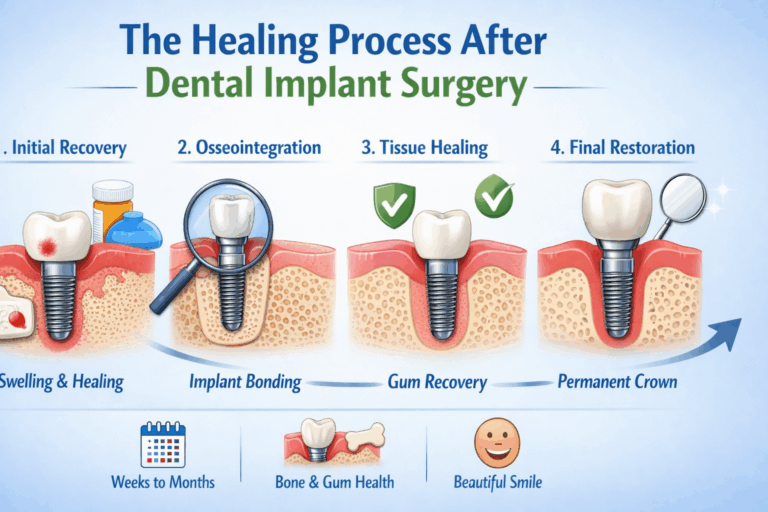
When individuals begin exploring tooth replacement options, they often have to choose between traditional dentures and full mouth dental implants. Understanding the differences between these two solutions is crucial for making an informed decision. Dentures are prosthetic devices that replace missing teeth and are typically removable. They are usually made of a flesh-colored acrylic base that sits over the gums. Full mouth dental implants, on the other hand, are a more permanent solution. They involve surgically placing titanium posts into the jawbone, which then supports a bridge or a full set of artificial teeth.
The Advantages of Full Mouth Dental Implants
While both dentures and dental implants serve the purpose of replacing lost teeth, many dental professionals and patients agree that implants offer several distinct advantages over dentures.
Natural Appearance and Function
- Dental implants closely mimic the appearance and function of natural teeth, providing a seamless look and feel.
- Patients often report improved comfort when speaking, chewing, and smiling.
Durability and Longevity
- With proper care, dental implants can last for decades or even a lifetime, making them a worthwhile investment.
- Dentures, however, may need to be adjusted or replaced every 5 to 10 years.
Bone Preservation
- Implants help maintain the jawbone’s health by providing the necessary stimulation to prevent bone loss.
- Dentures do not offer this benefit and can potentially accelerate bone deterioration over time.
Comfort and Convenience
Another vital consideration is how a dental solution fits into your lifestyle. Many patients find dental implants to be less intrusive and more convenient than traditional dentures.
Maintenance and Care
- Dental implants require the same care as natural teeth, including regular brushing, flossing, and dental check-ups.
- Dentures need specific cleaning products and are typically removed for cleaning, which some find cumbersome.
No Need for Adhesives
- Implants remain securely in place without the need for adhesives, which can be messy and inconvenient.
- Dentures might require adhesives to prevent slipping, especially while eating or speaking.
Financial Considerations
While the upfront cost of dental implants can be higher than dentures, it’s important to think long-term. Implants can be a more cost-effective solution over time due to their durability and lower maintenance requirements.
Investment in Long-Term Health
- Implants may qualify for financing and are increasingly covered by dental insurance plans.
- The reduction in future dental interventions can lower costs over a patient’s lifetime.
Conclusion: Making the Right Choice
Deciding between dentures and full mouth dental implants is a major decision that hinges on several factors, including aesthetics, function, comfort, and overall cost. Each patient’s situation is unique, so consulting with a dental professional can provide personalized insights tailored to individual needs and conditions. Consideration of the long-term benefits and lifestyle implications often leads many to opt for the lasting solution that full mouth dental implants provide over traditional dentures.