
Dental Implants in Plymouth, NH
Stable, Natural-Looking Solutions for Missing Teeth
Missing teeth can affect how you chew, speak, and feel about your smile. They can also
change how the remaining teeth fit together and how force is distributed throughout yourbite.
Dental implants provide a foundation for replacing missing teeth without relying
exclusively on removable appliances or neighboring natural teeth.
Pemi Baker Family Dental offers dental implant treatment in Plymouth, NH, for patients
missing one tooth, several teeth, or a complete arch.


What Is a Dental Implant?
A dental implant is a small post placed into the jawbone to replace the root portion of a missing tooth.
After the implant has integrated with the surrounding bone, it can support a dental restoration such as:
- A single dental crown
- An implant-supported bridge
- An implant-supported denture
- A fixed full-arch restoration
The dental implant provides support below the gumline, while the visible restoration recreates the appearance and function of the missing tooth or teeth.
What Can Dental Implants Replace?
Implant treatment can be adapted to different patterns of tooth loss.
One Missing Tooth
A single implant and crown can replace an individual missing tooth without preparing the neighboring teeth to support a traditional bridge.
Several Missing Teeth
An implant-supported bridge may replace several missing teeth using fewer implants than the total number of teeth being restored.
An Unstable Denture
Dental implants can provide retention for a removable denture, reducing unwanted movement while eating or speaking.
A Complete Arch of Teeth
A fixed or removable full-arch restoration can be supported by several strategically positioned dental implants.
The appropriate design depends on your bone, bite, remaining teeth, smile goals, and treatment preferences.
Single-Tooth Dental Implants
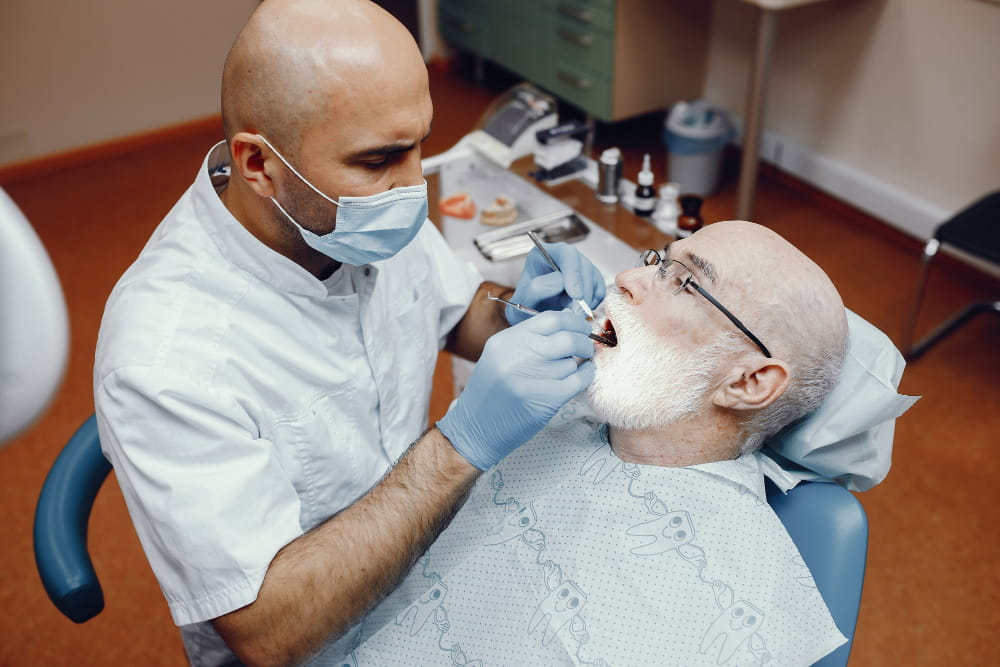
A single-tooth implant replaces both the missing root and the visible tooth.
Treatment generally includes:
- Evaluation and planning
- Placement of the dental implant
- A healing period
- Placement of the final implant crown
A temporary tooth may be used during treatment depending on the location of the missing tooth and the clinical situation.

Implant-Supported Bridges
An implant-supported bridge replaces several neighboring missing teeth.
Rather than placing one implant for every absent tooth, implants may be positioned to
support multiple connected replacement teeth.
This option may provide a fixed solution without requiring removable partial dentures or using neighboring natural teeth as bridge supports.
Implant-Supported Dentures
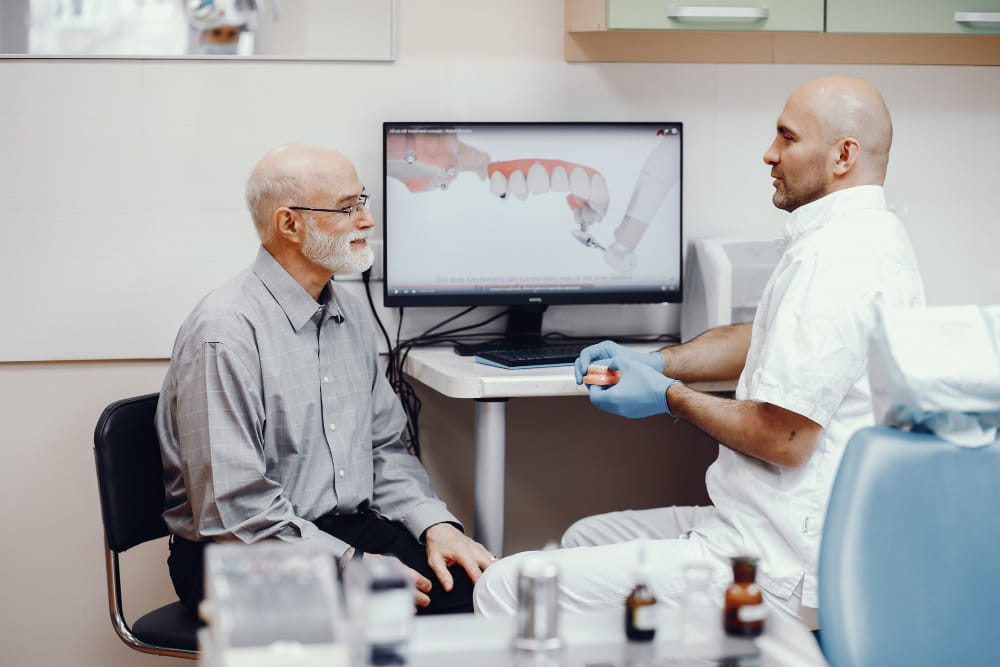
Traditional dentures rest on the gums and may shift during eating or speaking. An
implant-supported denture connects to dental implants for additional retention.
Potential benefits include:
- Greater stability
- Less unwanted denture movement
- Improved confidence while eating
- Improved confidence while speaking
- Easier removal for cleaning than a fixed full-arch restoration
Implant-supported dentures remain removable by the patient unless a different fixed design is selected.
Full-Arch Dental Implants
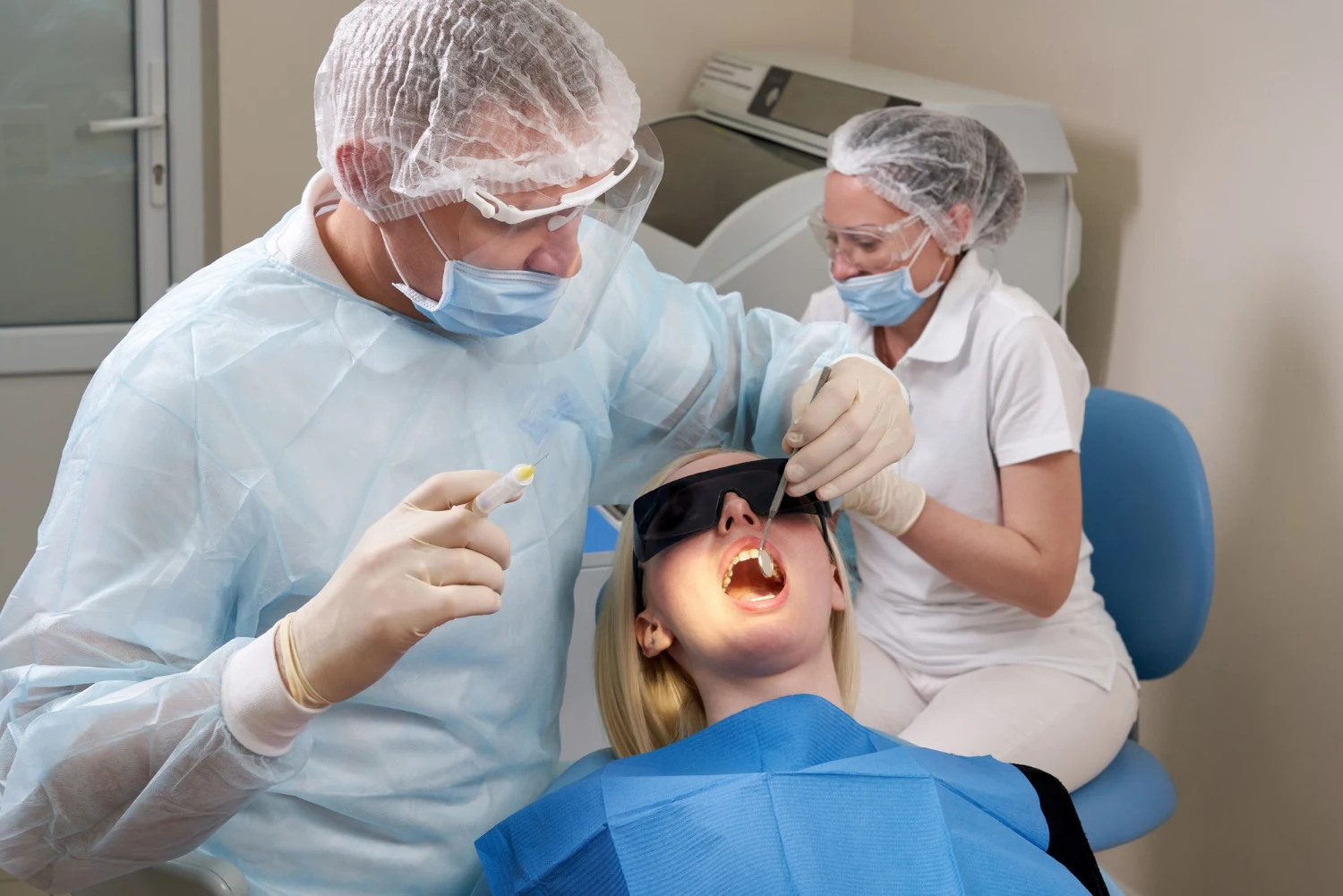
Full-arch implant treatment replaces most or all teeth in the upper jaw, lower jaw, or both.
A complete set of replacement teeth is supported by several dental implants positioned throughout the arch. Depending on the clinical situation, the final restoration may be fixed or removable.
Full-arch treatment may be considered by patients who:
- Are missing most or all of their teeth
- Have multiple teeth that cannot be restored predictably
- Struggle with loose dentures
- Want a more stable tooth-replacement option
- Need comprehensive reconstruction of their bite
All-on-4 and All-on-X Treatment
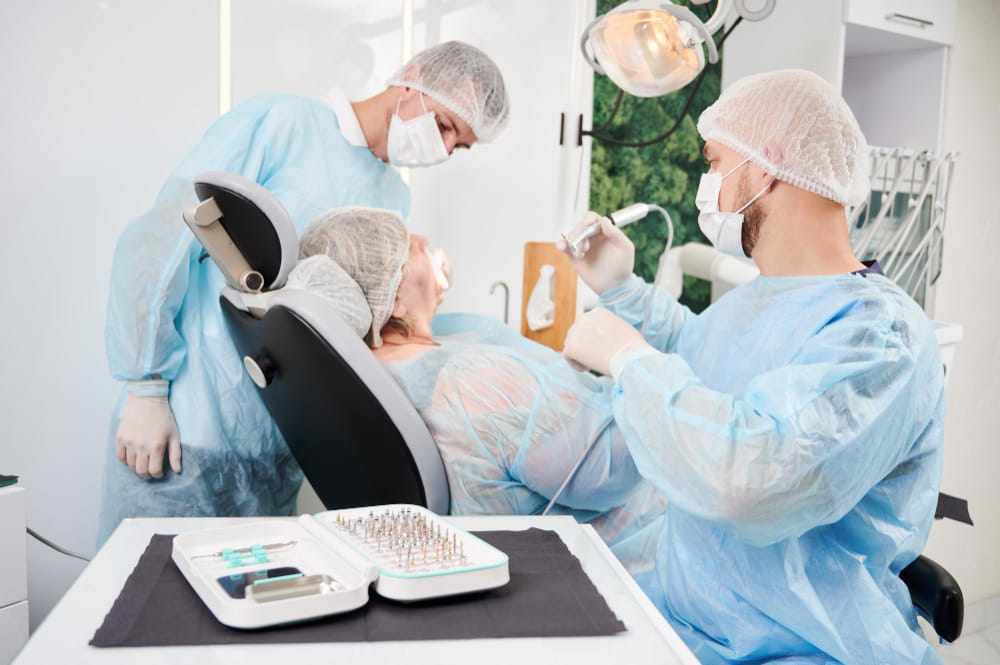
All-on-4 and All-on-X describe approaches in which a complete arch of replacement teeth is supported by a limited number of strategically positioned implants. The exact number and position of implants should be based on your anatomy and treatment plan—not selected from a marketing label alone.
Your dentist will evaluate:
- Available jawbone
- Implant position
- Bite forces
- Opposing teeth
- Gum condition
- Smile appearance
- The proposed final restoration
Some patients require more than four implants or additional procedures to achieve an appropriate result.
Bone Grafting for Dental Implants
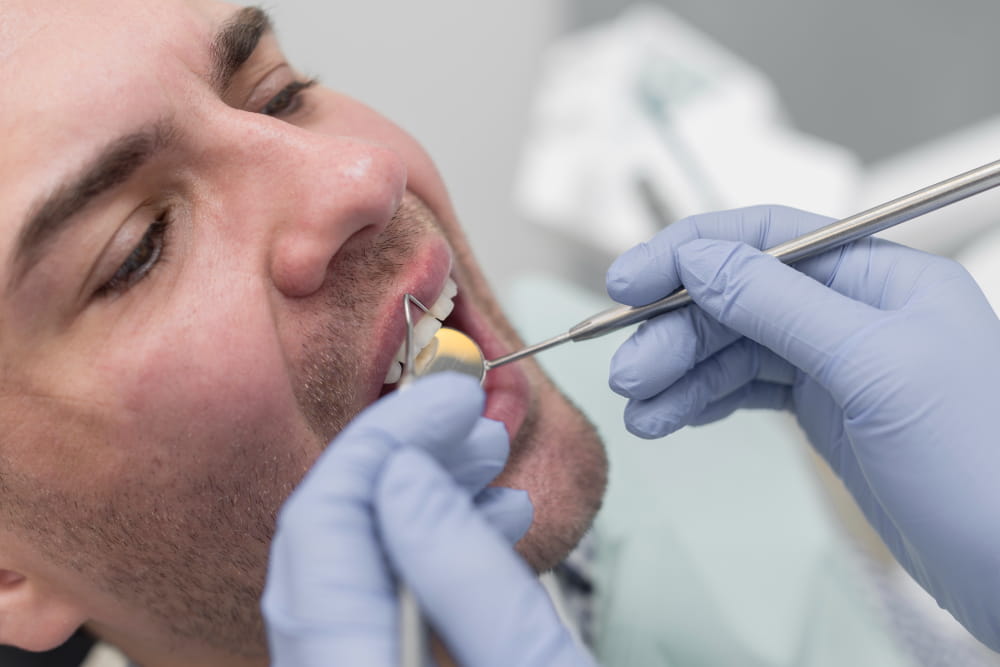
Dental implants require adequate bone for support. Bone may shrink after tooth loss, infection, trauma, or long-term denture use. When sufficient bone is not available, grafting may be recommended before or during implant placement.
Bone-grafting procedures vary depending on the location and extent of the deficiency.
Not every patient requires grafting, and not every type of bone loss can be treated in the
same way.
Who May Be a Candidate for Dental Implants?
Implant candidacy is determined through an individual examination.
Factors considered include:
- The number and location of missing teeth
- Available jawbone
- Gum health
- Condition of the remaining teeth
- Bite forces
- Medical history
- Tobacco use
- Oral-hygiene habits
- Ability to complete follow-up care
- Expectations for treatment
Patients who have been told they lack adequate bone may still have options, but additional evaluation or preparatory treatment may be necessary.
The Dental Implant Process
Complex cases may involve additional stages or a different sequence.
Consultation and Evaluation
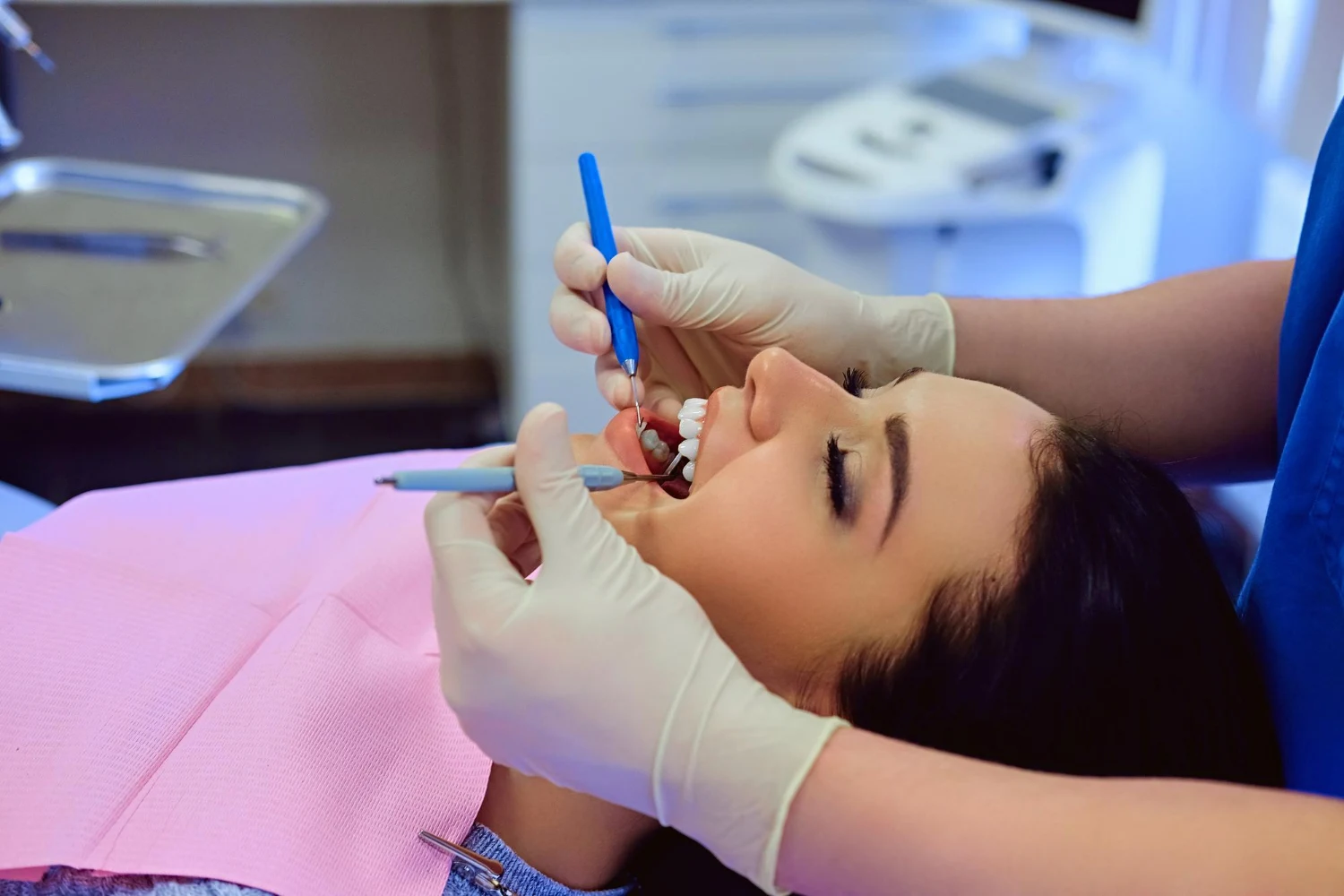
Your dentist will discuss what you want to improve and evaluate your teeth, gums, bone, and bite.

Treatment Planning
The number of implants, type of restoration, need for extractions, and possible grafting procedures are determined.

Implant Placement
The implant is positioned within the jawbone.

Healing
The implant is allowed to integrate with the surrounding bone. Healing time varies by patient and procedure.
Final Restoration
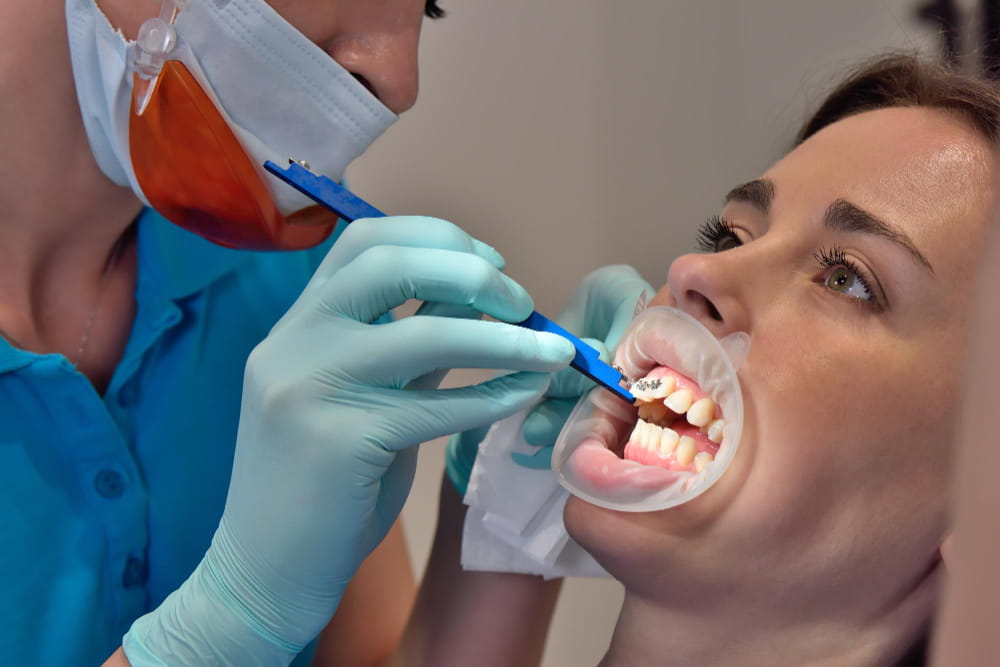
A crown, bridge, denture, or full-arch restoration is attached after the implant is ready to support it.
Dental Implants Versus Other Options
No option is automatically correct for every patient. Cost, anatomy, health, maintenance, treatment time, and personal preference all matter.
Implant Versus Bridge
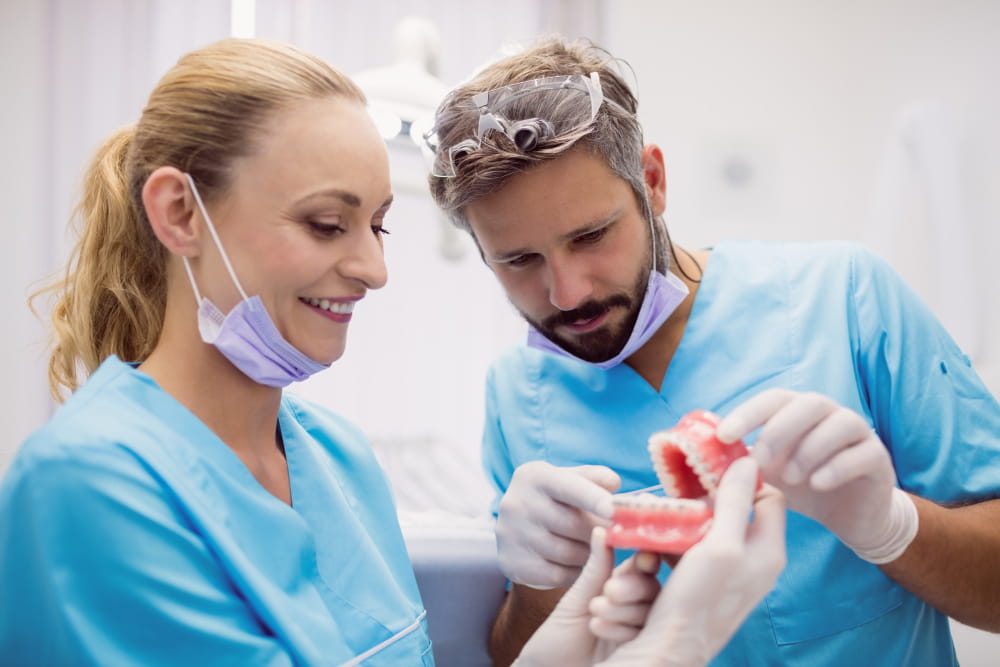
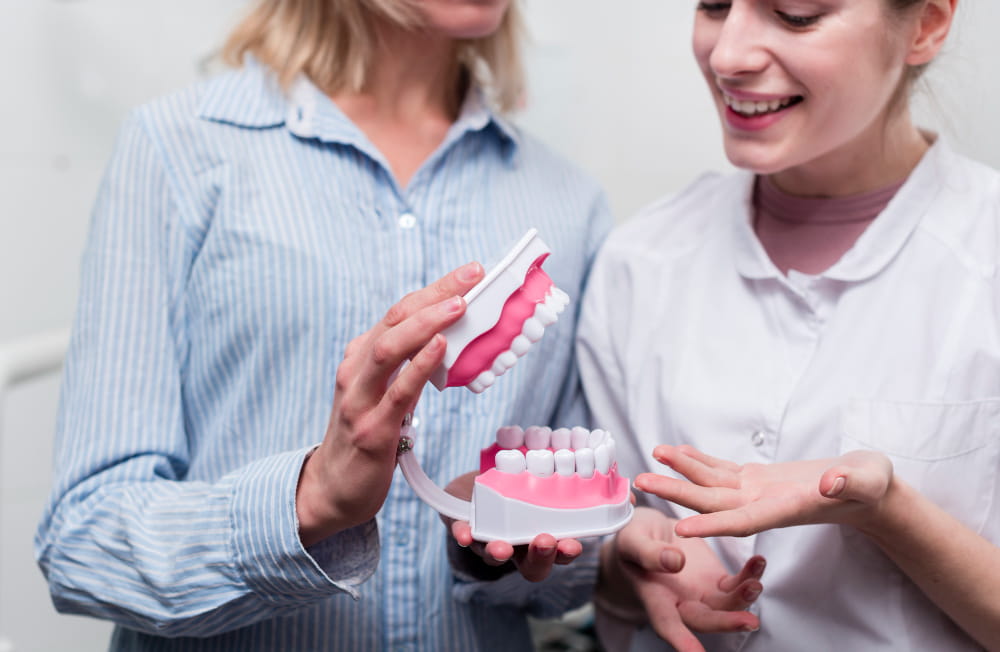
A traditional bridge uses neighboring teeth for support. An implant replaces the missing root and can support a crown independently.
Implant Versus Partial Denture
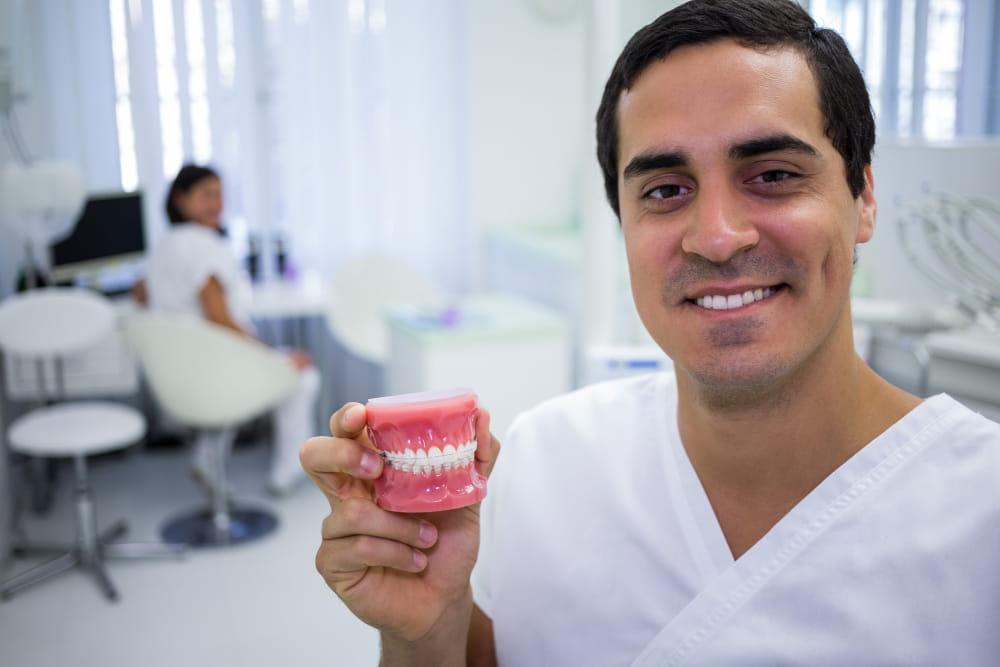
A partial denture is removable and generally replaces multiple teeth. An implant restoration may be fixed or removable depending on its design.
Implant Denture Versus Traditional Denture
A traditional denture rests on the gums. An implant denture attaches to implants for greater retention.
Dental Implant Second Opinions
Implant treatment can involve significant financial and clinical decisions.
A second opinion may be useful when:
- You were told that all remaining teeth must be removed
- You received conflicting treatment recommendations
- You are unsure whether bone grafting is necessary
- You want to compare fixed and removable options
- You have concerns about a previous implant
- You do not fully understand the proposed treatment
Bring any available X-rays, scans, treatment plans, and estimates to your appointment.

Have any questions?
Frequently Asked Questions
Are dental implants permanent?
Dental implants are designed as a long-term tooth-replacement option, but no dental treatment can be guaranteed to last forever. Health, hygiene, bite forces, smoking, maintenance, and other factors affect longevity.
Does dental implant surgery hurt?
Local anesthesia is used during treatment. Tenderness and swelling may occur afterward. The expected recovery depends on the number of implants and whether extractions or grafting are performed.
How long does implant treatment take?
Treatment time varies substantially. Some cases are completed over several months, while more complex treatment involving grafting or full-arch reconstruction may require additional time.
Can I receive a temporary tooth?
Temporary options may be available depending on the location, implant stability, bite, and treatment plan. Immediate temporary teeth are not appropriate in every case.
Are implants better than dentures?
Implants generally provide greater stability, but they require surgery, sufficient bone, ongoing maintenance, and a larger financial investment. Conventional dentures remain appropriate for some patients.
Can dental implants fail?
Yes. Implants can fail to integrate or develop complications later. Careful planning, good oral hygiene, routine professional care, and control of relevant risk factors are important.
Request a Dental Implant Consultation
A consultation is the only reliable way to determine which tooth-replacement options are appropriate for your health, anatomy, and goals.