
Cosmetic Dentistry in Plymouth, NH
Personalized Treatment for a Healthier-Looking Smile
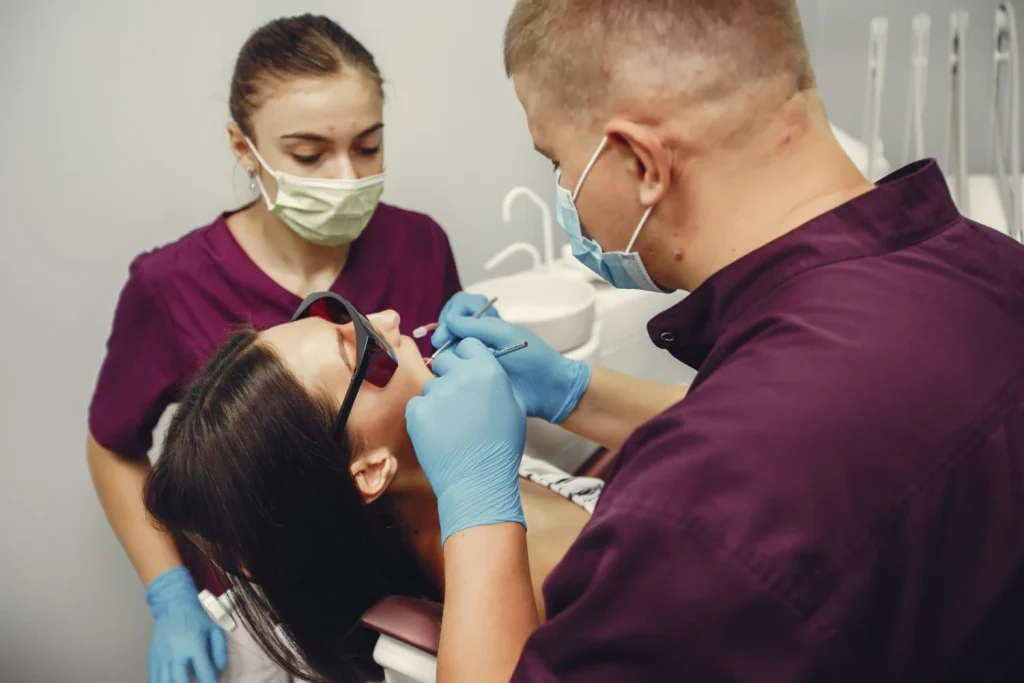
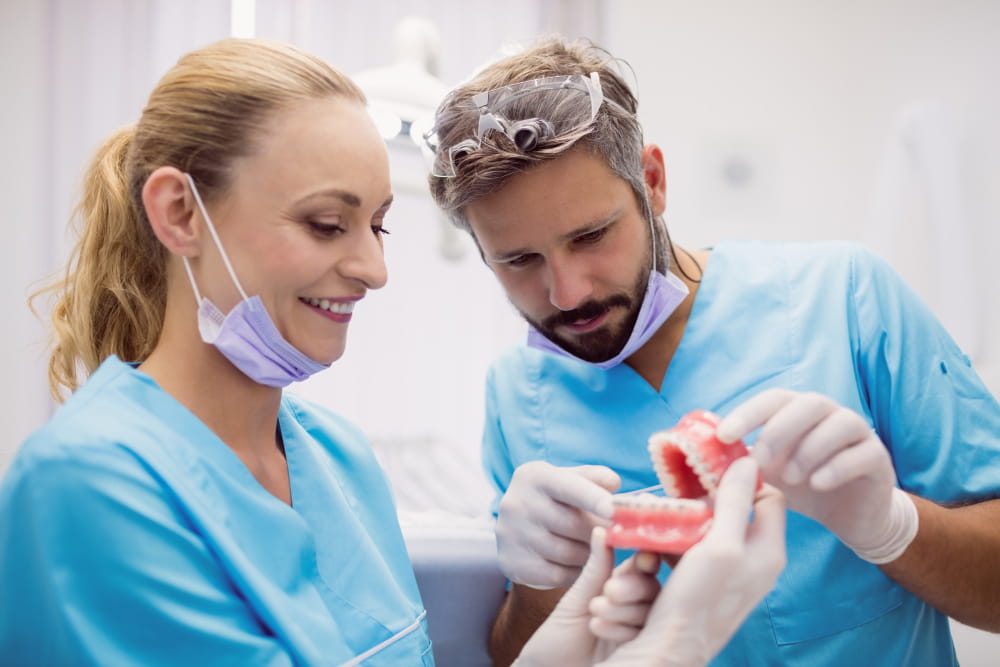
Cosmetic dentistry can improve concerns involving the color, shape, size, spacing, alignment, or overall appearance of your teeth.
The best cosmetic treatment should not simply create whiter or more uniform teeth. It should respect the health of your natural teeth, fit comfortably with your bite, and produce a result that looks appropriate for your face.
Pemi Baker Family Dental provides cosmetic dentistry in Plymouth, NH, with treatment plans based on each patient’s concerns, oral health, and desired level of change.
What Can Cosmetic Dentistry Improve?
Cosmetic treatment may address:
- Stained or discolored teeth
- Chipped teeth
- Small cracks
- Uneven tooth edges
- Gaps between teeth
- Teeth that appear too small
- Worn teeth
- Mild crowding
- Crooked teeth
- Old or visible dental restorations
- Differences in tooth shape
- Several concerns affecting the complete smile
A cosmetic consultation begins with identifying what you actually want to change. Treatment should then be selected based on the cause and extent of the concern.
Professional Teeth Whitening
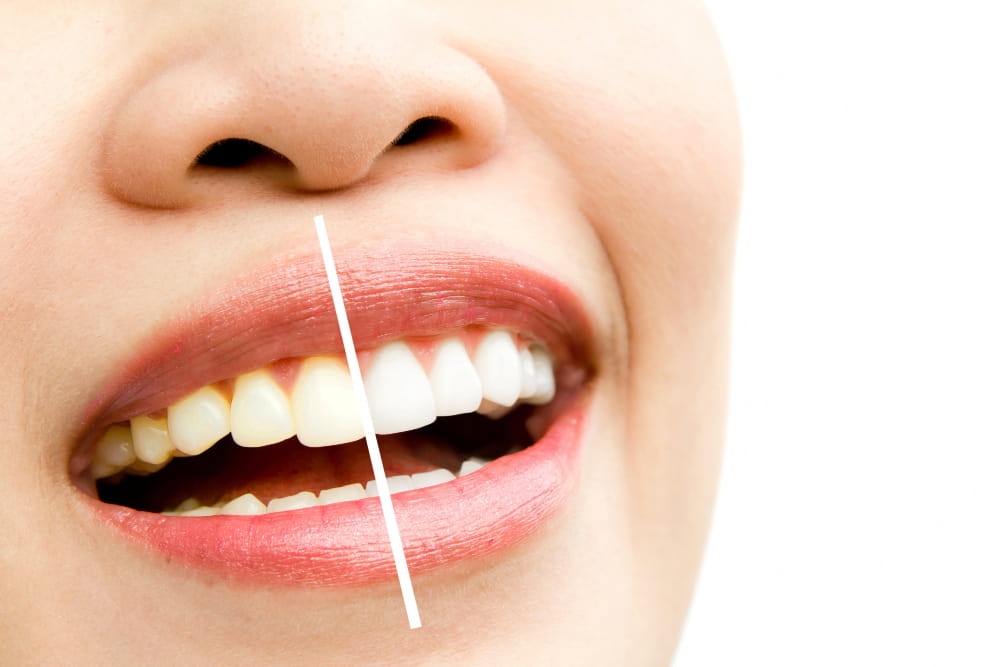
Professional teeth whitening is designed to reduce many common stains and brighten the natural enamel.
- Coffee or tea
- Darkly pigmented foods
- Tobacco
- Aging
- Certain medications
- Previous dental trauma
- Natural differences in enamel color
Not every type of discoloration responds equally to whitening. Crowns, veneers, bonding, fillings, and other restorations will not whiten like natural enamel.
An examination can determine whether whitening is appropriate and whether existing restorations may need to be considered when selecting the final shade.
Porcelain Veneers
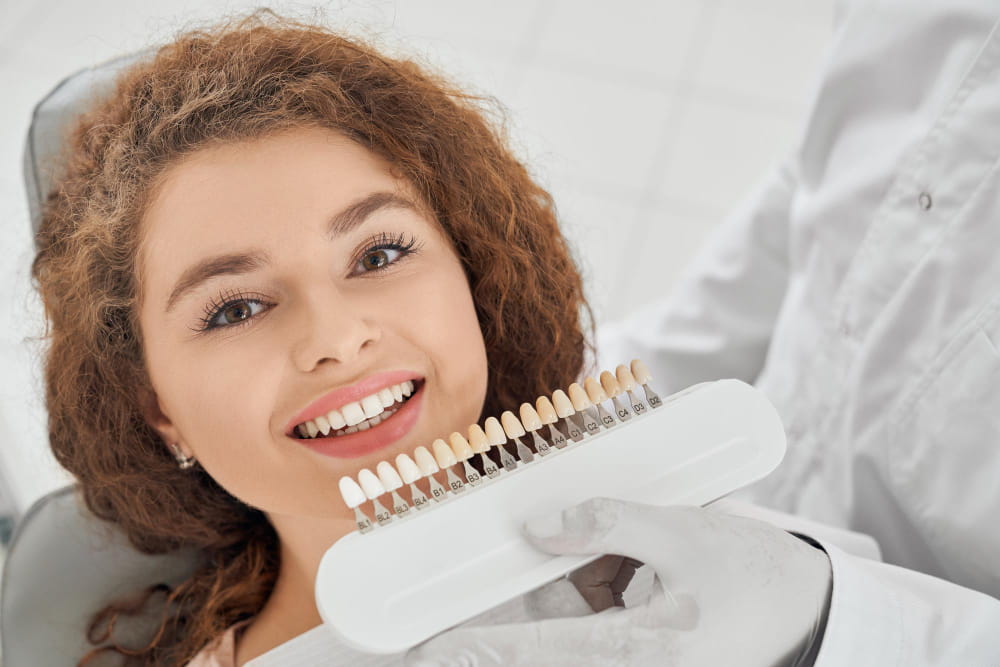
Porcelain veneers are thin restorations placed over the front surfaces of selected teeth.
Veneers may be used to improve:
- Tooth shape
- Tooth size
- Certain stains
- Small chips
- Mild spacing
- Uneven edges
- Minor differences in alignment
Veneers require careful planning because the final result depends on tooth position, enamel, bite forces, gum levels, and the number of teeth included in the smile. Some patients may achieve their goals with whitening, bonding, Invisalign, or another more conservative treatment instead.
Cosmetic Dental Bonding
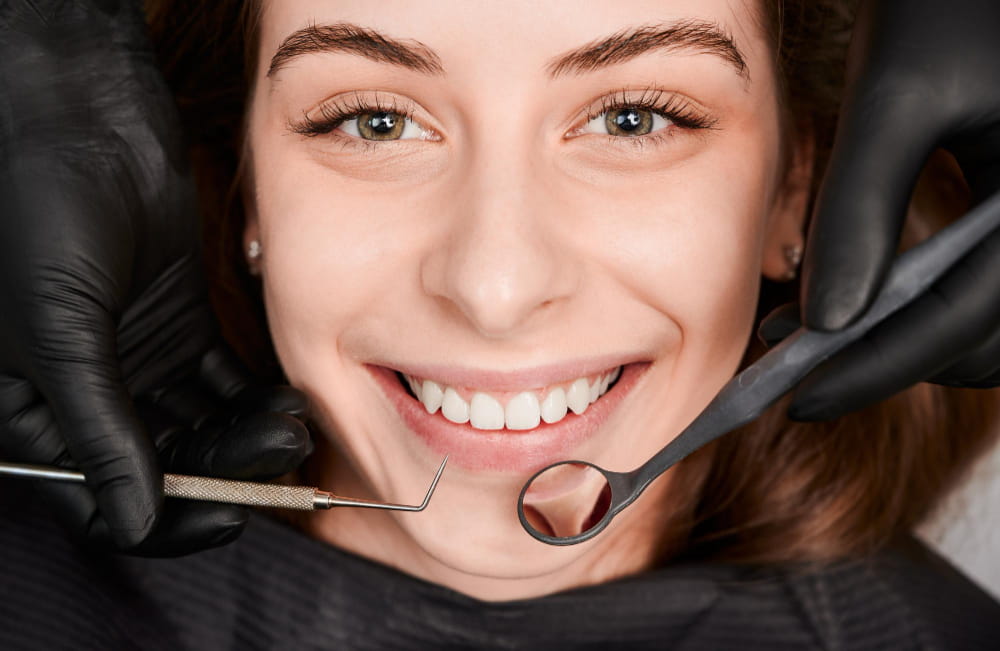
Dental bonding uses tooth-colored resin to reshape or repair selected areas of a tooth.
Bonding may be appropriate for:
- Small chips
- Minor gaps
- Uneven tooth edges
- Isolated areas of discoloration
- Teeth that need subtle reshaping
Bonding is generally more conservative than porcelain treatment, but it may be more vulnerable to staining, chipping, or wear. The appropriate material depends on the location of the tooth, size of the repair, and bite forces.
Invisalign Clear Aligners
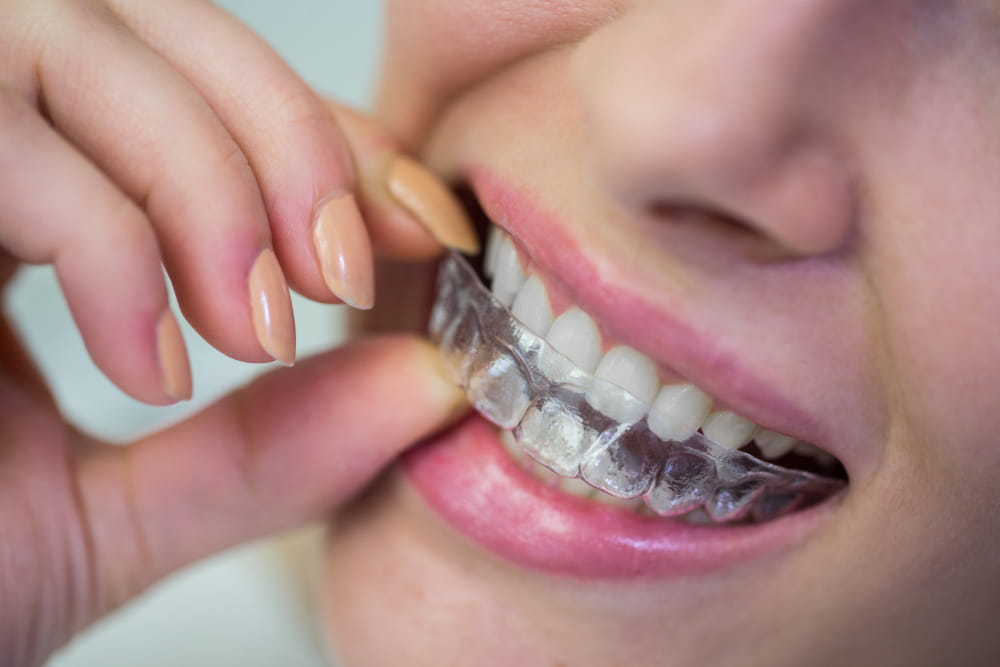
Invisalign uses removable clear aligners to gradually reposition teeth. Straightening the teeth before whitening, bonding, veneers, or crowns may allow for a more conservative cosmetic result because less tooth structure may need to be altered.
Invisalign may be considered for patients concerned about:
- Crowding
- Gaps
- Crooked teeth
- Tooth rotation
- Certain bite problems
- Relapse after previous orthodontic treatment
A complete evaluation is required to determine whether clear aligners are appropriate.
Cosmetic Dental Crowns
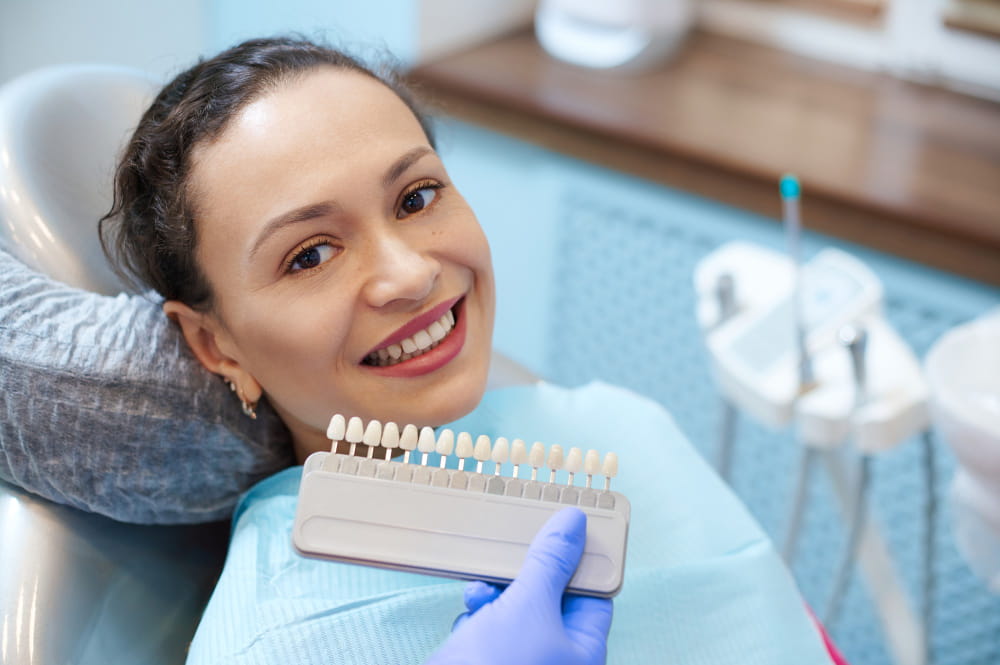
A crown may improve both the strength and appearance of a tooth that is extensively damaged.
A cosmetic crown may be considered when a tooth is:
- Severely worn
- Extensively filled
- Cracked or weakened
- Misshapen
- Significantly discolored
- Previously treated with a root canal
- Being restored over a dental implant
A healthy tooth should not automatically receive a crown for a minor cosmetic concern. More conservative options should be considered when appropriate.
Replacing Missing Teeth
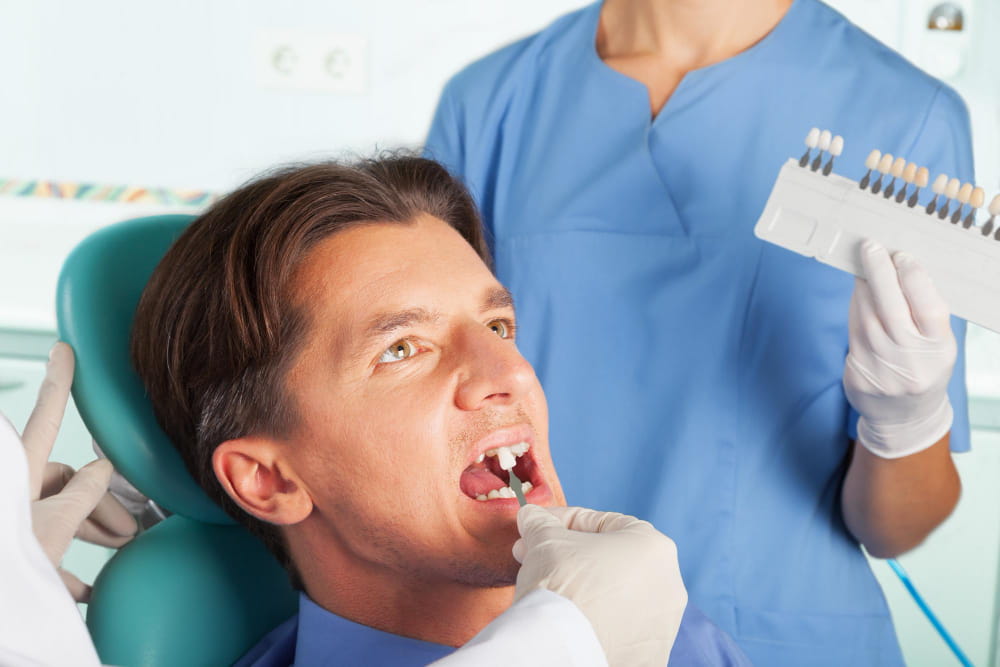
Missing teeth affect both appearance and function.
Cosmetic tooth-replacement options may include:
- Dental implants
- Implant crowns
- Traditional bridges
- Implant-supported bridges
- Partial dentures
- Complete dentures
- Implant-supported dentures
- Full-arch implant restorations
The visible restoration should be planned alongside the health and position of the supporting teeth, gums, and bone.
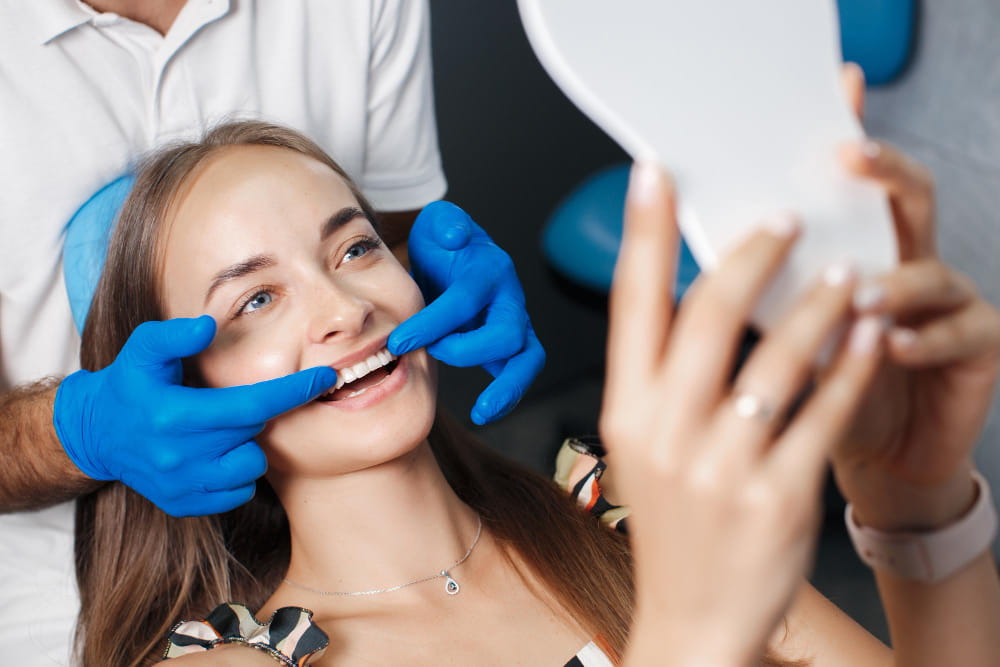
Smile Makeovers
A smile makeover combines multiple cosmetic or restorative procedures into one coordinated plan.
Treatment may include:
- Teeth whitening
- Invisalign
- Dental bonding
- Porcelain veneers
- Dental crowns
- Replacement of missing teeth
- Modification of failing restorations
The procedures should be completed in a deliberate sequence. For example, teeth may be straightened and whitened before the shade and shape of veneers, bonding, or crowns are finalized.
A smile makeover does not necessarily mean treating every visible tooth. The goal is to identify the smallest appropriate combination of procedures capable of producing the desired improvement.
Cosmetic Dentistry and Oral Health
Cosmetic concerns may sometimes be symptoms of functional or structural problems.
For example:
- Worn teeth may indicate grinding or bite-related stress
- Darkened teeth may have experienced trauma
- Uneven gum levels may relate to inflammation or recession
- Tooth movement may occur after tooth loss
- Chipped teeth may continue breaking if bite forces are not addressed
- Discolored restorations may also be leaking or failing
These conditions should be evaluated before elective cosmetic treatment begins.
What to Expect During a Cosmetic Consultation
Your consultation may include:
- 1. A discussion of what you dislike about your smile
- 2. An examination of your teeth and gums
- 3. Evaluation of existing restorations
- 4. Assessment of your bite
- 5. Necessary photographs or dental imaging
- 6. Discussion of treatment alternatives
- 7. Review of sequencing, timing, and maintenance
- 8. Development of a personalized treatment plan
Bring photographs or examples if they help communicate your preferences, but expect your final result to be designed for your own teeth and facial features.
Have any questions?
Frequently Asked Questions
Which cosmetic dental treatment is best?
There is no universal best procedure. Whitening addresses color, Invisalign changes tooth position, bonding reshapes smaller areas, and veneers or crowns create more substantial structural changes.
Does cosmetic dentistry damage natural teeth?
Some procedures require alteration of natural tooth structure, while others are more conservative. The risks and amount of preparation depend on the treatment selected.
Will teeth whitening work on crowns or veneers?
No. Whitening products affect natural enamel but do not substantially change the color of porcelain or composite restorations.
How long will cosmetic dental treatment last?
Longevity depends on the procedure, materials, oral hygiene, diet, bite forces, and maintenance. No cosmetic restoration should be considered permanent.
Can I fix several cosmetic problems at once?
Potentially. A smile makeover may combine several procedures, but the order of treatment matters. A comprehensive evaluation should be completed before finalizing the plan.
Can cosmetic dentistry also improve function?
Yes. Crowns, implants, aligners, and other procedures can improve both appearance and function when properly selected. Cosmetic improvement should never come at the expense of oral health.
Plan Your Smile With a Cosmetic Dentist in Plymouth
A successful cosmetic result begins with a clear diagnosis and a realistic treatment plan.
Schedule a consultation with Pemi Baker Family Dental to discuss what you want to change and which options may be appropriate.