
Can Dental Implants Really Last a Lifetime?
Introduction to Dental Implants
Dental implants have revolutionized the way dentistry approaches tooth replacement. Since their introduction, implants have provided individuals with a durable and natural-looking alternative to dentures and bridges. But a common question that arises is whether dental implants can really last a lifetime. This query is not only important from a financial perspective but also from the viewpoint of long-term oral health.
Understanding Dental Implants
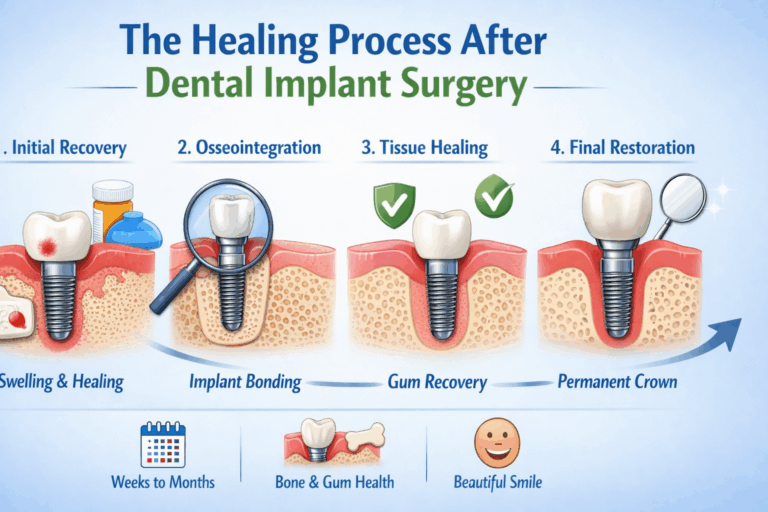
Dental implants are composed of three primary components:
- The implant fixture, which is a screw-like device that is inserted into the jawbone.
- The abutment, a connector that holds the crown or prosthetic in place.
- The crown, which is the visible part that looks like a natural tooth.
These components work together to provide a stable and secure base for artificial teeth, making them functionally similar to natural teeth.
The Longevity of Dental Implants
Factors Influencing Longevity
While dental implants indeed have the potential to last a lifetime, several factors influence their longevity:
- Oral Hygiene: Maintaining a rigorous oral hygiene routine is crucial for the health of implants.
- Bone Health: The density and quality of the jawbone play a critical role in the success of the implant.
- Placement Technique: The skill and experience of the dentist can greatly affect the longevity of an implant.
- Lifestyle Factors: Habits such as smoking can negatively impact the success rate of dental implants.
Success Rates and Studies
Clinical studies have shown a high success rate for dental implants. According to some reports, implants show a success rate of approximately 95% over a period of 10 years. The data suggest that when conditions are optimal, implants can remain functional and aesthetic for a lifetime.
Maintenance of Dental Implants
Daily Care
Caring for dental implants is quite similar to maintaining natural teeth:
- Brush at least twice a day using a non-abrasive toothpaste.
- Floss daily to ensure that plaque does not accumulate around the implant.
- Use an antimicrobial mouthwash to help reduce oral bacteria.
Regular Dental Checkups
Regular visits to the dentist are essential. During these visits, your dentist can:
- Assess the condition of the implant and surrounding tissue.
- Perform professional cleanings to prevent issues such as gingivitis or peri-implantitis.
Challenges and Considerations
While generally reliable, dental implants are not without their complications. Some potential issues include:
- Infection at the implant site.
- Injury or damage to surrounding teeth and blood vessels.
- Sinus problems if implants placed in the upper jaw protrude into sinus cavities.
Conclusion
In summary, while dental implants have a high potential to last a lifetime, their success is heavily dependent on both initial factors like placement and bone health, as well as ongoing care, including hygiene and lifestyle choices. By committing to regular dental visits and maintaining excellent oral hygiene, many people can enjoy the benefits of dental implants throughout their lifetime.