
Emergency Dentist in Plymouth, NH
Prompt Evaluation for Dental Pain and Unexpected Problems
Severe tooth pain, swelling, fractures, and damaged dental restorations rarely resolve simply by waiting.
Pemi Baker Family Dental provides emergency dental evaluations in Plymouth, NH, for patients experiencing urgent dental symptoms. Contact our office as soon as possible so our team can learn what happened and determine the appropriate next step. Appointment availability and treatment will depend on the symptoms, severity, and clinical findings.

What Is a Dental Emergency?
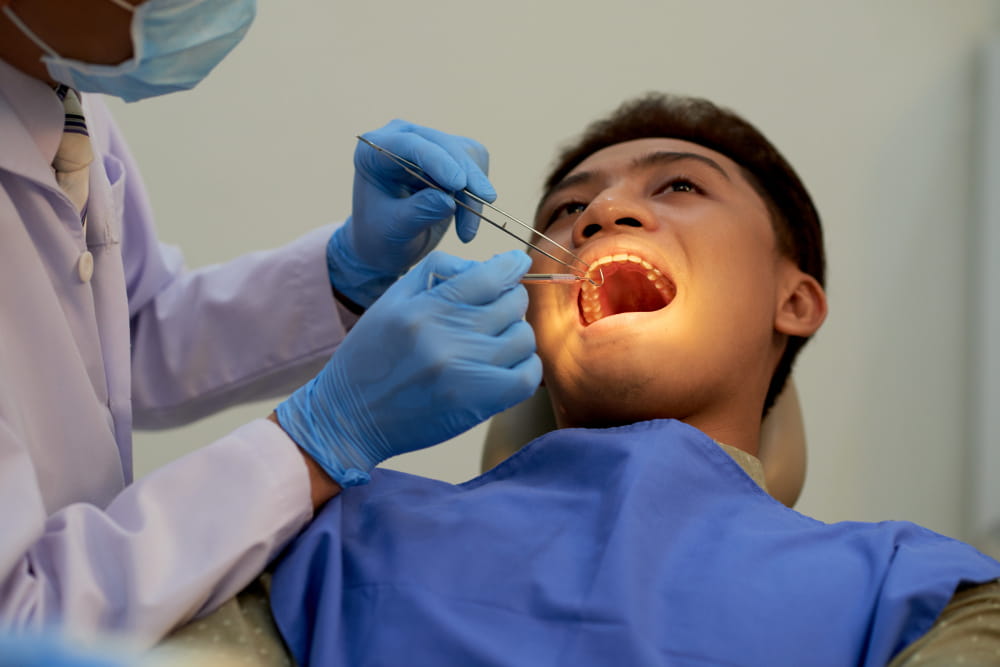
A dental emergency is a problem involving the teeth, gums, jaw, or dental restorations that requires timely evaluation to relieve pain, control infection, stop bleeding, or prevent additional damage.
Contact our office if you experience:
- Severe or persistent tooth pain
- Facial or gum swelling
- A broken or cracked tooth
- A knocked-out tooth
- A loose adult tooth
- Dental trauma
- A dental abscess
- Pain while biting
- A lost filling
- A loose or broken crown
- A damaged bridge or denture
- Bleeding that does not stop
- Sudden sensitivity that is not improving
Do not rely on an online list to determine whether your condition is serious. Call the office and explain your symptoms.

Severe Tooth Pain
Tooth pain may result from decay, infection, a fracture, gum problems, bite-related stress, or damage to an existing restoration.
The location and intensity of the pain do not always reveal how serious the underlying
problem is.
Contact our office if pain:
- Persists or worsens
- Interrupts sleep
- Occurs when biting
- Lingers after hot or cold exposure
- Is accompanied by swelling
- Is associated with a bad taste or drainage
- Returns after temporarily improving
Emergency treatment depends on the cause. Possible care may include a restoration,
crown, root canal, extraction, bite adjustment, medication, or referral when necessary.
Dental Abscesses and Swelling
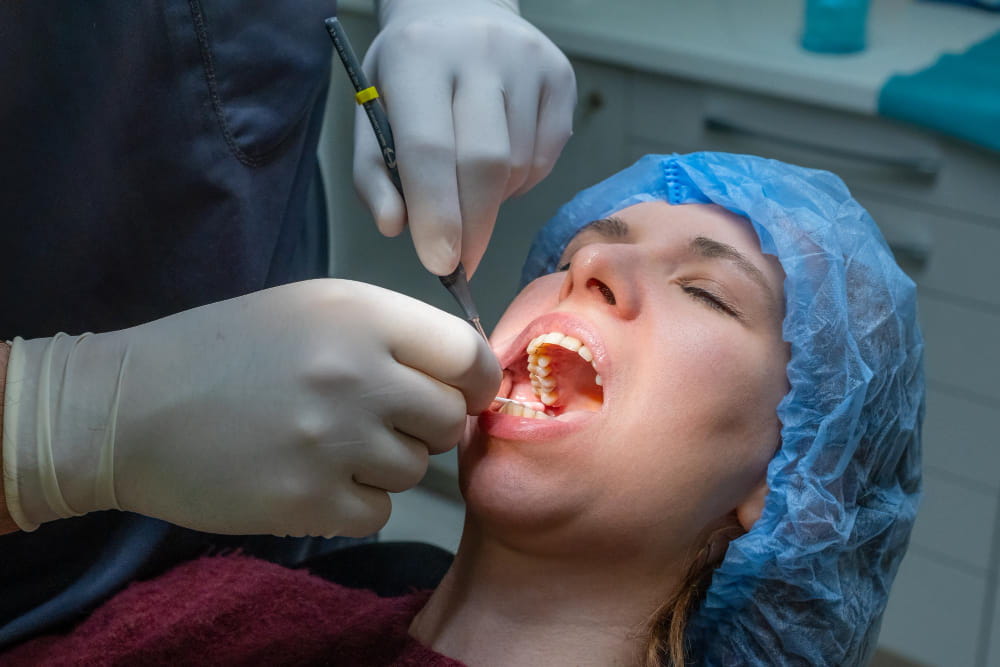
A dental abscess is an infection that may develop around a tooth or within the
surrounding gum and bone.
Possible signs include:
- Throbbing pain
- Facial swelling
- Gum swelling
- A pimple-like bump near a tooth
- Bad taste or drainage
- Pain while chewing
- Fever
- Swollen lymph nodes
- Difficulty opening the mouth
Dental infections require professional evaluation. Antibiotics alone may not eliminate the
source of the infection. Definitive treatment may involve root canal therapy, drainage,
extraction, or another procedure.
Seek urgent medical attention when swelling affects breathing or swallowing, spreads
rapidly, involves the eye or neck, or is accompanied by signs of serious illness.

Broken or Cracked Teeth
A tooth may fracture because of trauma, decay, a large filling, grinding, or biting a hard object.
Until you are evaluated:
- Avoid chewing on the affected side
- Rinse gently with water
- Save any broken pieces if possible
- Use a cold compress for external swelling
- Do not place aspirin directly against the tooth or gums
- Contact the office promptly
Treatment may involve bonding, a filling, an inlay, an onlay, a crown, root canal treatment, or extraction depending on the depth and location of the fracture.
Knocked-Out Adult Tooth
A completely knocked-out adult tooth requires immediate attention. Handle the tooth by the crown, not the root. If it is dirty, rinse it gently without scrubbing or removing attached tissue.
When possible, place the tooth back into the socket without forcing it. If that is not possible, keep it moist and contact a dentist immediately.
A baby tooth should not be placed back into the socket.
Timing can affect whether an adult tooth can be successfully replanted, so call
immediately.
Lost Fillings and Broken Crowns
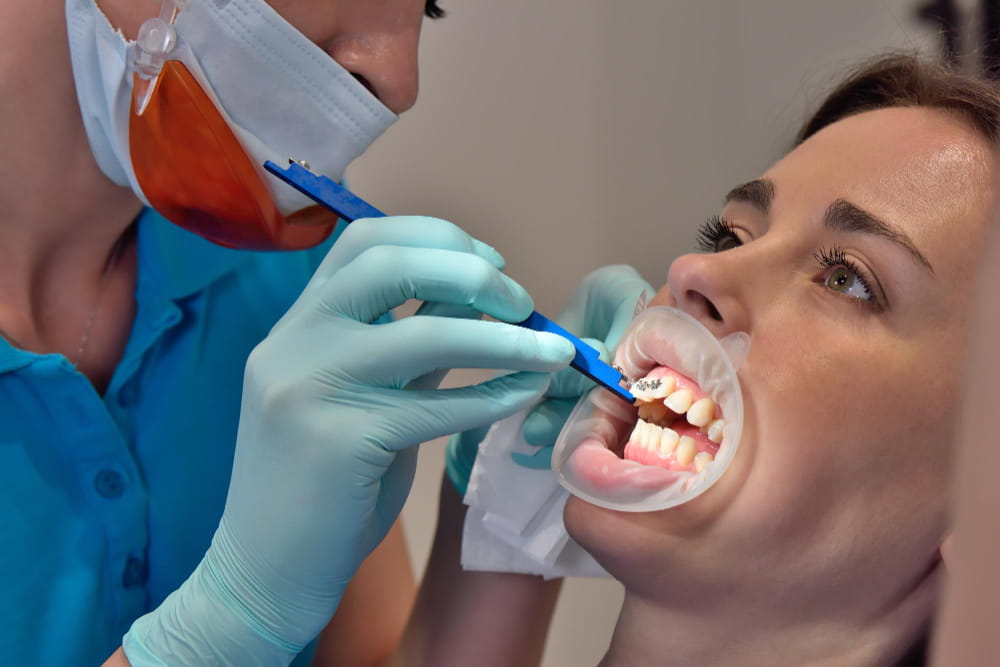
A lost filling or crown can expose sensitive tooth structure and leave the tooth vulnerable to additional damage.
Do not use household glue to reattach a restoration.
Contact the office and avoid chewing on the tooth until it can be evaluated. Even when
there is little pain, the underlying tooth may still require prompt treatment.

Emergency Root Canal Treatment
Root canal treatment may be recommended when infection or inflammation has affected the tissue inside a tooth.
The procedure removes the affected tissue, cleans and seals the internal space, and
preserves the outer tooth when restoration remains possible.
A crown may be needed afterward to protect the weakened tooth.
Until you are evaluated:
- Avoid chewing on the affected side
- Rinse gently with water
- Save any broken pieces if possible
- Use a cold compress for external swelling
- Do not place aspirin directly against the tooth or gums
- Contact the office promptly
Treatment may involve bonding, a filling, an inlay, an onlay, a crown, root canal treatment, or extraction depending on the depth and location of the fracture.
Emergency Tooth Extractions
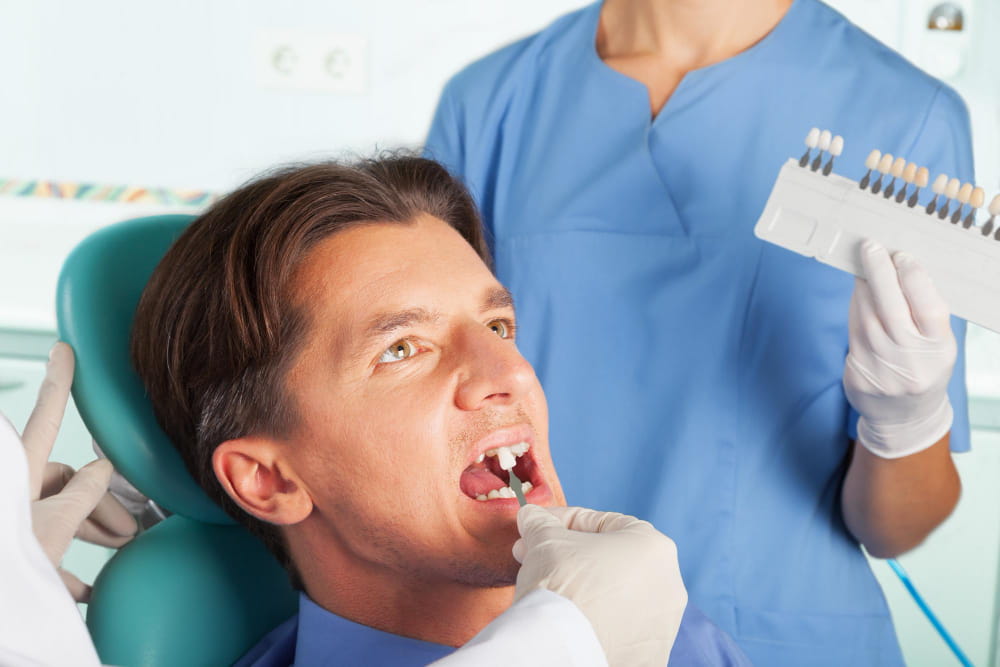
Extraction may be necessary when a tooth is too fractured, decayed, infected, or
unsupported to restore predictably.
Before removing the tooth, the dentist will evaluate its condition and discuss whether
another treatment could preserve it. When extraction is necessary, future tooth-
replacement options may also be reviewed.
What to Expect During an Emergency Appointment
The immediate goal of an emergency visit is to diagnose the problem and determine the appropriate treatment.
Your appointment may include:
- Discussion of your symptoms
- Review of relevant health information
- Examination of the affected area
- Necessary dental imaging
- Diagnosis of the likely cause
- Treatment to address the immediate problem
- Planning for additional restorative care when needed
Not every emergency can be completely resolved during the initial visit. Some conditions require a second procedure, laboratory-made restoration, specialist involvement, or follow-up care.
When to Visit a Hospital Emergency Department
A hospital emergency department is generally not equipped to provide complete dental treatment, but medical emergency care may be necessary when you experience:
- Difficulty breathing
- Difficulty swallowing
- Rapidly spreading facial or neck swelling
- Uncontrolled bleeding
- Major facial trauma
- Loss of consciousness
- Suspected jaw fracture
- Serious symptoms affecting your overall health
Have any questions?
Frequently Asked Questions
Do you accept walk-in dental emergencies?
Call before arriving. Emergency availability depends on the schedule and severity of the problem.
Can an emergency dentist prescribe antibiotics?
Antibiotics may be appropriate for certain infections, but they are not a substitute for treating the source. The dentist must evaluate the condition before determining whether medication is indicated.
Will tooth pain go away on its own?
Some symptoms may temporarily improve, but the underlying problem can remain. Persistent or severe pain should be evaluated.
Can a broken tooth be saved?
Possibly. Treatment depends on how deeply the tooth is fractured, the amount of healthy structure remaining, and whether the root or surrounding bone is involved.
What should I do about a lost crown?
Keep the crown if you can find it, avoid chewing on the tooth, and contact the office. Do not use household adhesive.
What should I take for dental pain?
Medication suitability depends on your health history and other medications. Follow product instructions and consult an appropriate healthcare professional when you are unsure. Pain medication does not replace dental treatment.
Call an Emergency Dentist in Plymouth
Do not ignore severe pain, swelling, trauma, or a damaged tooth.