Restorative Dentistry in Plymouth, NH
Repair Damaged Teeth and Restore Comfortable Function
Dental problems can affect much more than the appearance of your smile. Decay, fractures, infection, worn teeth, and missing teeth can make it difficult to eat comfortably and may place additional stress on the rest of your mouth.
Restorative dentistry is focused on repairing or replacing teeth so that your smile functions more predictably.
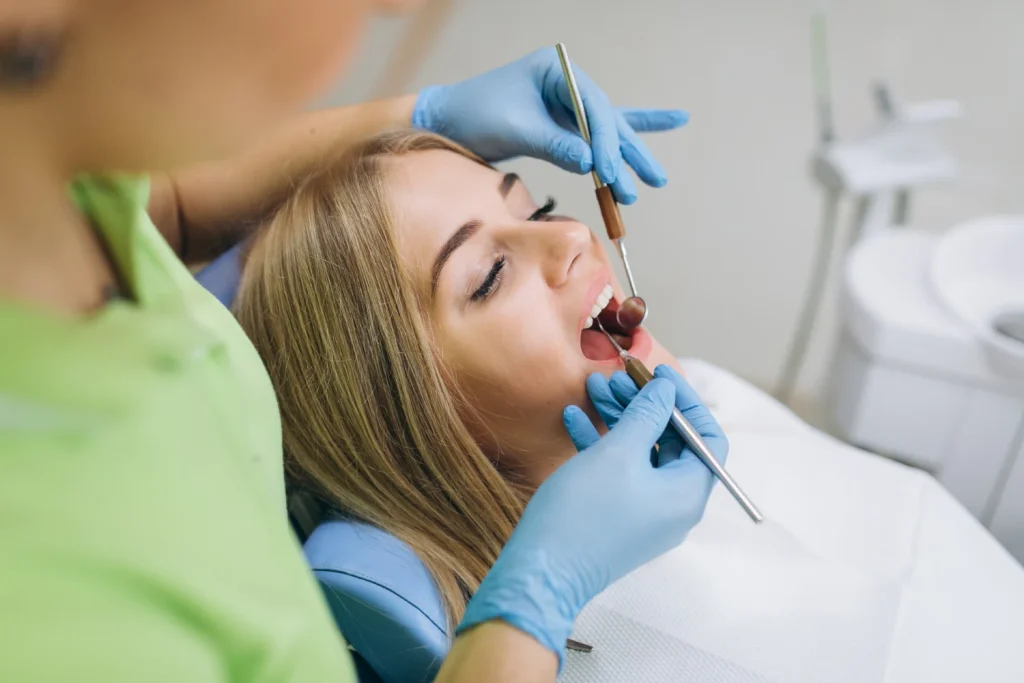
Pemi Baker Family Dental provides restorative dentistry in Plymouth, NH, ranging from treatment for an individual damaged tooth to more comprehensive rehabilitation involving several teeth.
What Is Restorative Dentistry?
- How much healthy tooth structure remains
- Whether the tooth is infected
- The condition of the surrounding bone and gums
- How the tooth affects your bite
- Whether neighboring teeth are healthy
- Your long-term oral health goals
- Your preferences and budget
Conditions Restorative Dentistry Can Address
- Tooth decay
- A cracked, chipped, or broken tooth
- A severely worn tooth
- An infected tooth
- A failing filling or restoration
- A loose or damaged crown
- One or more missing teeth
- Uncomfortable or unstable dentures
- Difficulty chewing
- Several dental problems requiring coordinated treatment
Delaying care can allow decay, fractures, or infections to progress. Earlier evaluation may provide more opportunities to preserve the natural tooth.
Dental Crowns
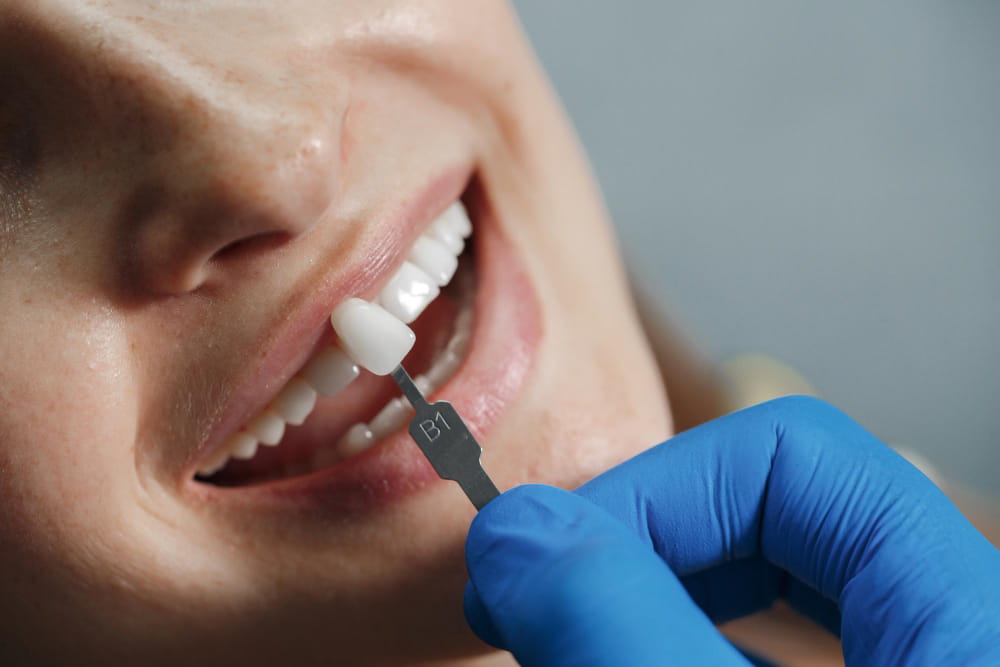
- Has a large area of decay
- Contains a large or failing filling
- Is cracked or structurally weakened
- Has undergone root canal treatment
- Is severely worn
- Needs improvement in shape or appearance
- Is being restored over a dental implant
Dental Bridges
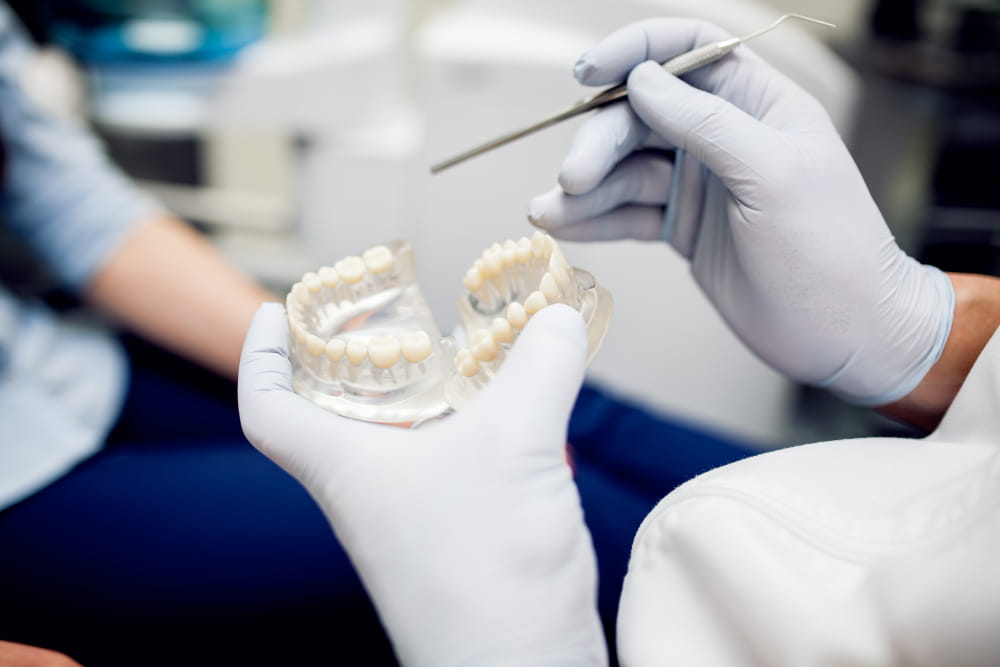
A dental bridge replaces one or more missing teeth using a fixed restoration.
Traditional bridges generally use neighboring teeth for support. Implant-supported bridges use dental implants rather than natural teeth to support the replacement teeth.
- Close a visible gap
- Improve chewing function
- Reduce unwanted movement of neighboring teeth
- Restore support within the bite
- Provide a fixed alternative to a removable partial denture
The health of the supporting teeth, gums, and bone must be evaluated before determining whether a bridge is appropriate.
Inlays and Onlays
Root Canal Treatment
Inside each natural tooth is soft tissue commonly referred to as the dental pulp. Deep decay, fractures, trauma, or other damage can allow this tissue to become inflamed or infected.
Root canal treatment removes the affected tissue, cleans and seals the internal space, and allows the outer portion of the tooth to remain in place.
A crown may be recommended afterward to protect the tooth from additional structural damage.
- Persistent tooth pain
- Lingering sensitivity to hot or cold
- Pain when biting
- Swelling near a tooth
- A recurring bump on the gums
- Darkening of a tooth
- A deep cavity or fracture
Tooth Extractions
- Severe decay
- Extensive fracture
- Advanced infection
- Significant bone loss
- Failed previous treatment
- Lack of adequate space
- A poor long-term prognosis
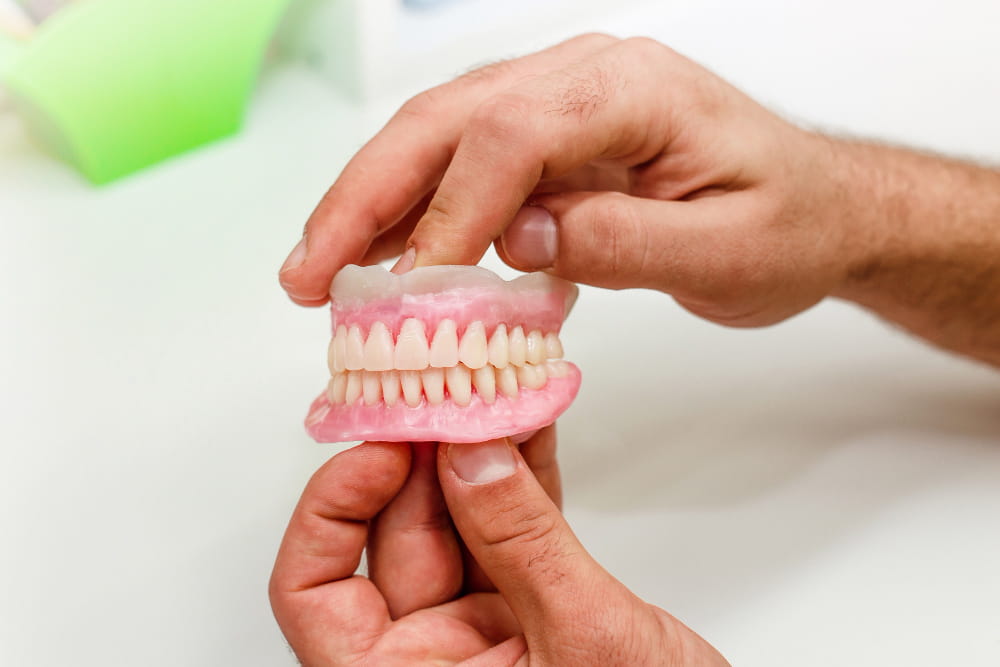
Dentures
- Complete Dentures: Used when all teeth in the upper or lower arch are missing.
- Partial Dentures Used when some healthy natural teeth remain.
- Implant-Supported Dentures: Attached to dental implants for greater stability than a conventional removable denture.
Dental Implants
- One missing tooth
- Several neighboring teeth
- An unstable removable denture
- Most or all teeth in an arch
Full-Mouth Reconstruction
- Multiple missing teeth
- Extensive decay
- Numerous broken or failing restorations
- Severely worn teeth
- Bite-related damage
- Unstable dentures
- A combination of functional and cosmetic concerns
What to Expect From Your Restorative Consultation
- 1. A discussion of your primary concerns
- 2. A review of your dental and health history
- 3. An examination of your teeth, gums, and bite
- 4. Necessary dental imaging
- 5. Identification of urgent and non-urgent problems
- 6. Discussion of appropriate treatment options
- 7. Development of a phased treatment plan when needed